Why Adventure Bikes Are the Best Choice for Touring the Canadian Rockies
If you've spent any time researching motorcycle touring, you've noticed that ADV bikes (adventure motorcycles) dominate the space. And if you've ever actually ridden one across a mountain pass, gravel forest road, or a winding stretch of Canadian highway, you already know why.
Whether you are joining us for a guided tour or renting a motorcycle near Banff to explore on your own, choosing the right category of bike is the first decision you'll make.
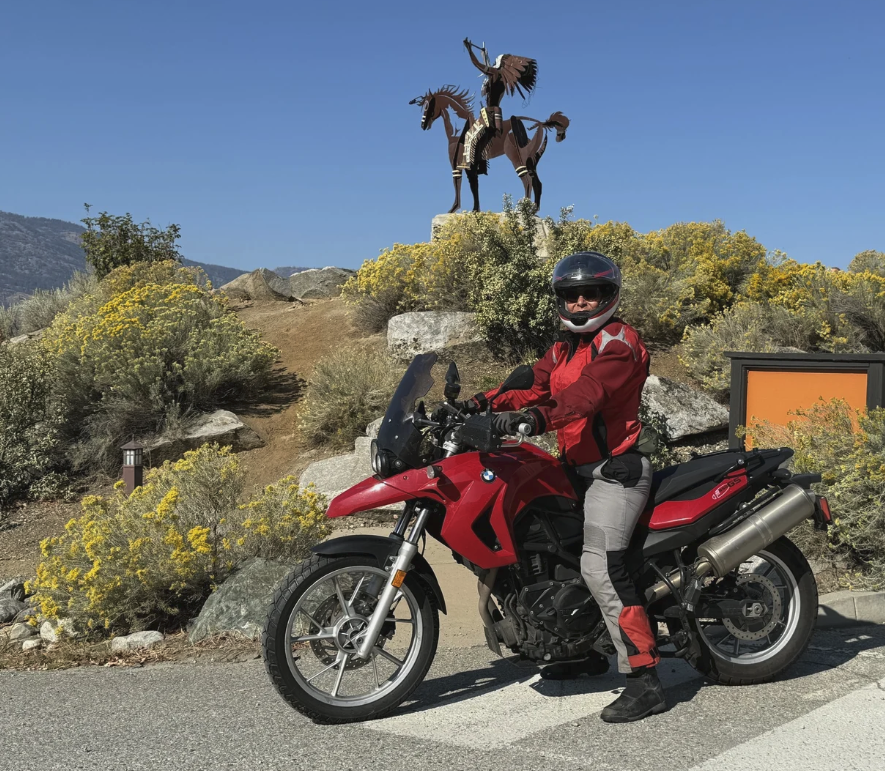
At Askiwa, our entire fleet is built around the adventure motorcycle category: the BMW F 800 GS, the Yamaha Ténéré 700, the Honda Transalp, the Moto Guzzi V85 TT, the Aprilia Tuareg 660. Every one of them was chosen deliberately.
They're the right tool for this particular landscape. Here's why.
The Rockies Aren't Just One Kind of Road
An adventure bike handles all of it.
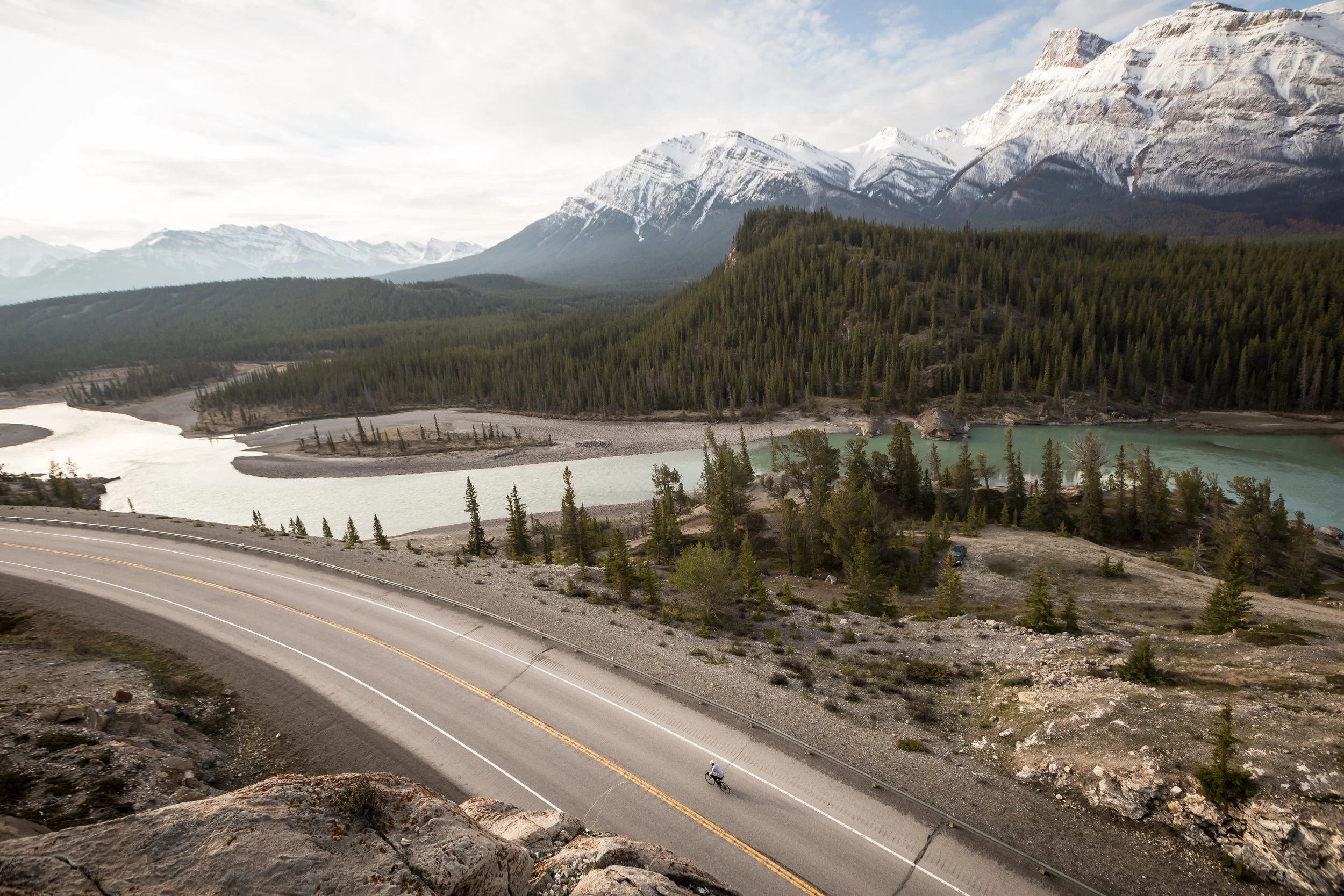
Anyone who's ridden in the Canadian Rockies knows that the terrain changes constantly, sometimes within the same hour.
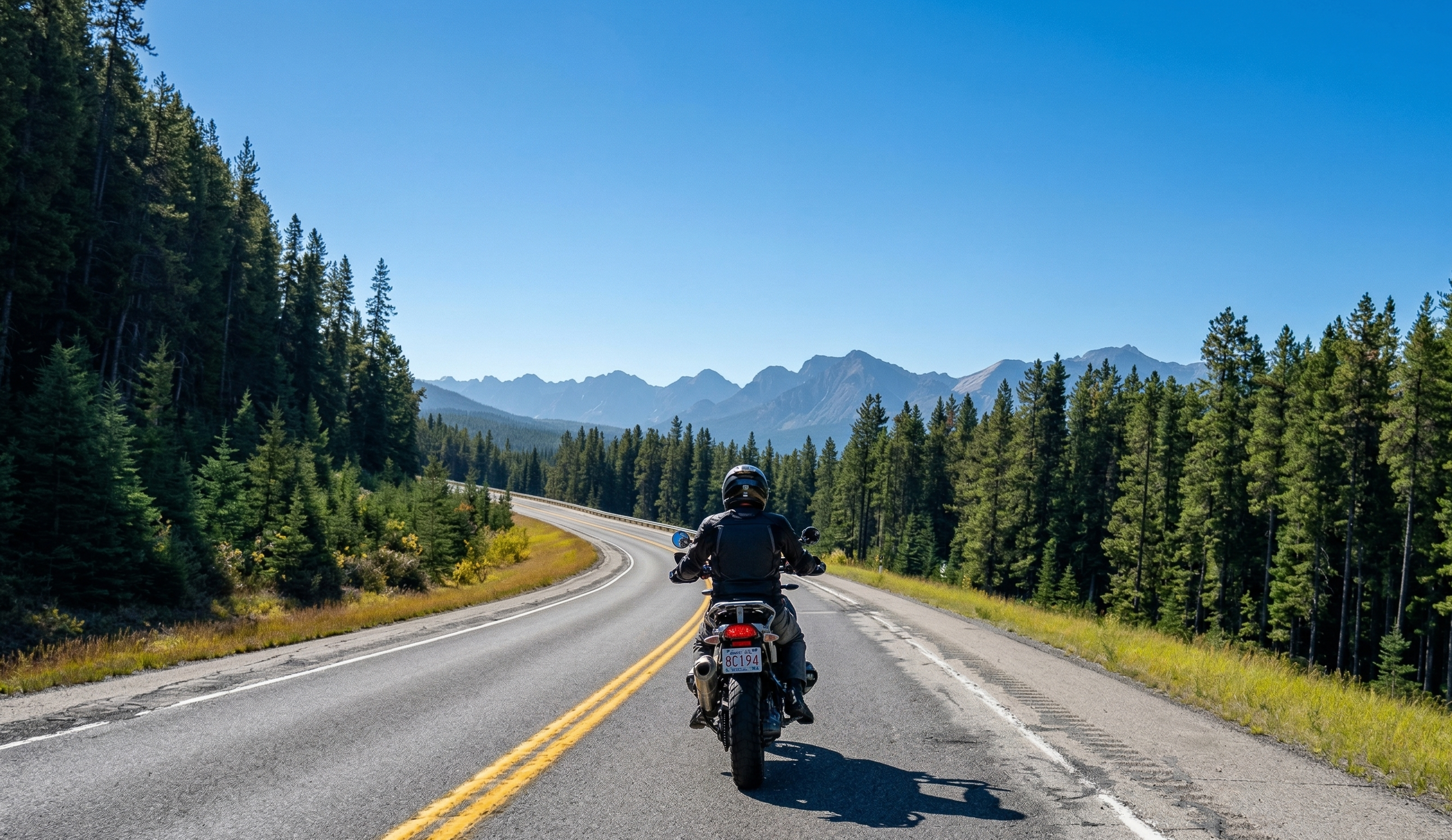
You'll leave Canmore on smooth pavement, curve through Banff National Park on immaculate mountain highway, cut south through Kananaskis on twisting switchbacks, and then find yourself on a gravel forestry road with the kind of views that don't show up in any travel guide.
A sport bike will handle the pavement beautifully and struggle badly on the gravel.
A cruiser will be perfectly comfortable on the highway and completely out of its depth on anything loose or unpaved.
An adventure bike handles all of it, because it was designed for exactly this kind of riding: varied, unpredictable, and rewarding.
Ergonomics Matter More Than You Think on Multi-Day Rides
At Askiwa, we've built our fleet around machines that we'd want to spend a week on ourselves.
On a day ride, riding position is a preference. On a five-day tour, it becomes really important.
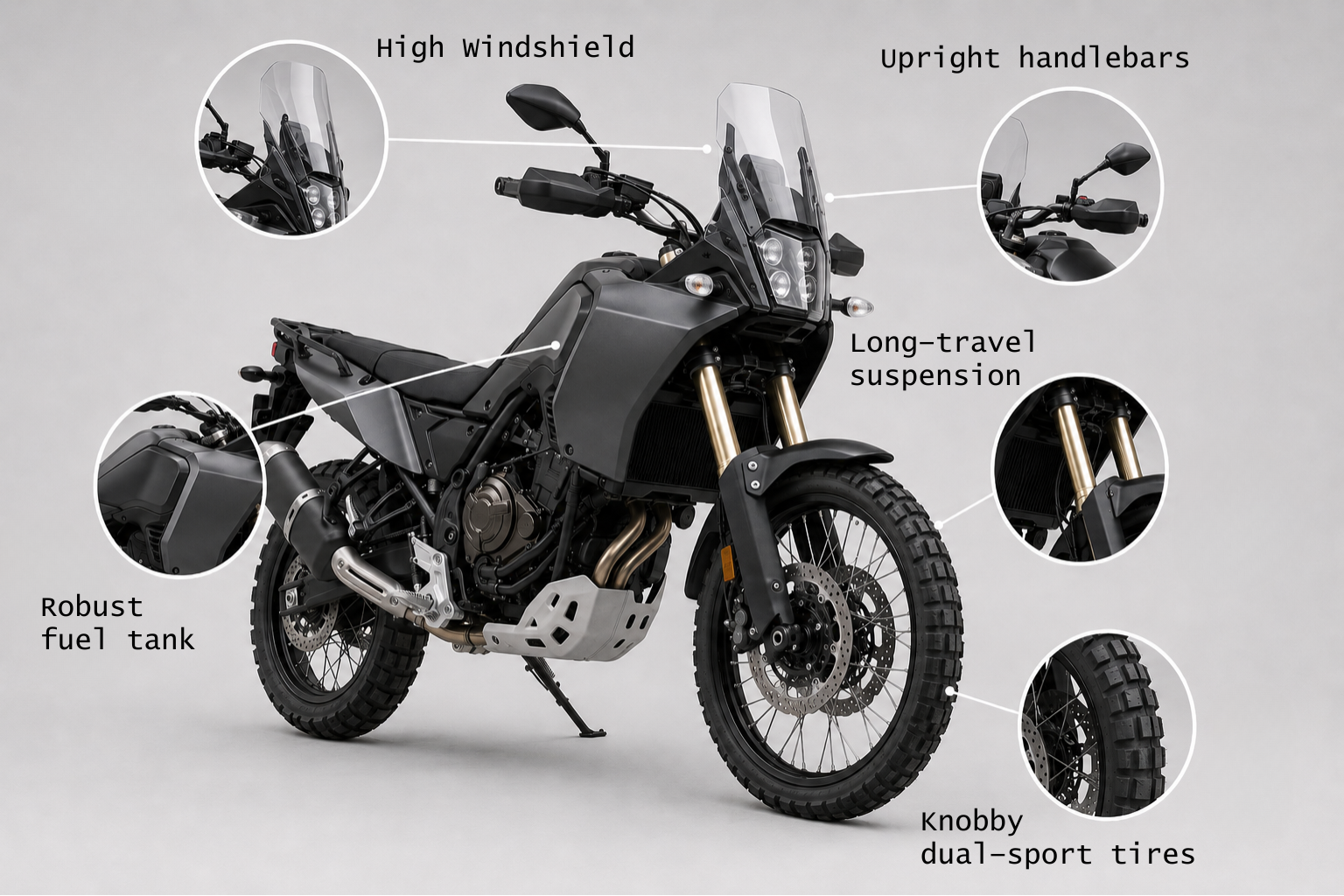
Adventure motorcycles are built around an upright, neutral riding position: your back is straight, your arms relaxed, your weight distributed across the seat and footpegs rather than loading it all onto your wrists and lower back.
Over six to eight hours in the saddle, that difference is enormous. Riders on our ADV fleet arrive at the evening stop alert, comfortable, and ready to do it again tomorrow. Geometry-based magic.

Suspension That Earns Its Keep
The roads around Banff and through Alberta are spectacular. They're also, occasionally, rough.
The roads around Banff and through Alberta are spectacular. They're also, occasionally, rough.
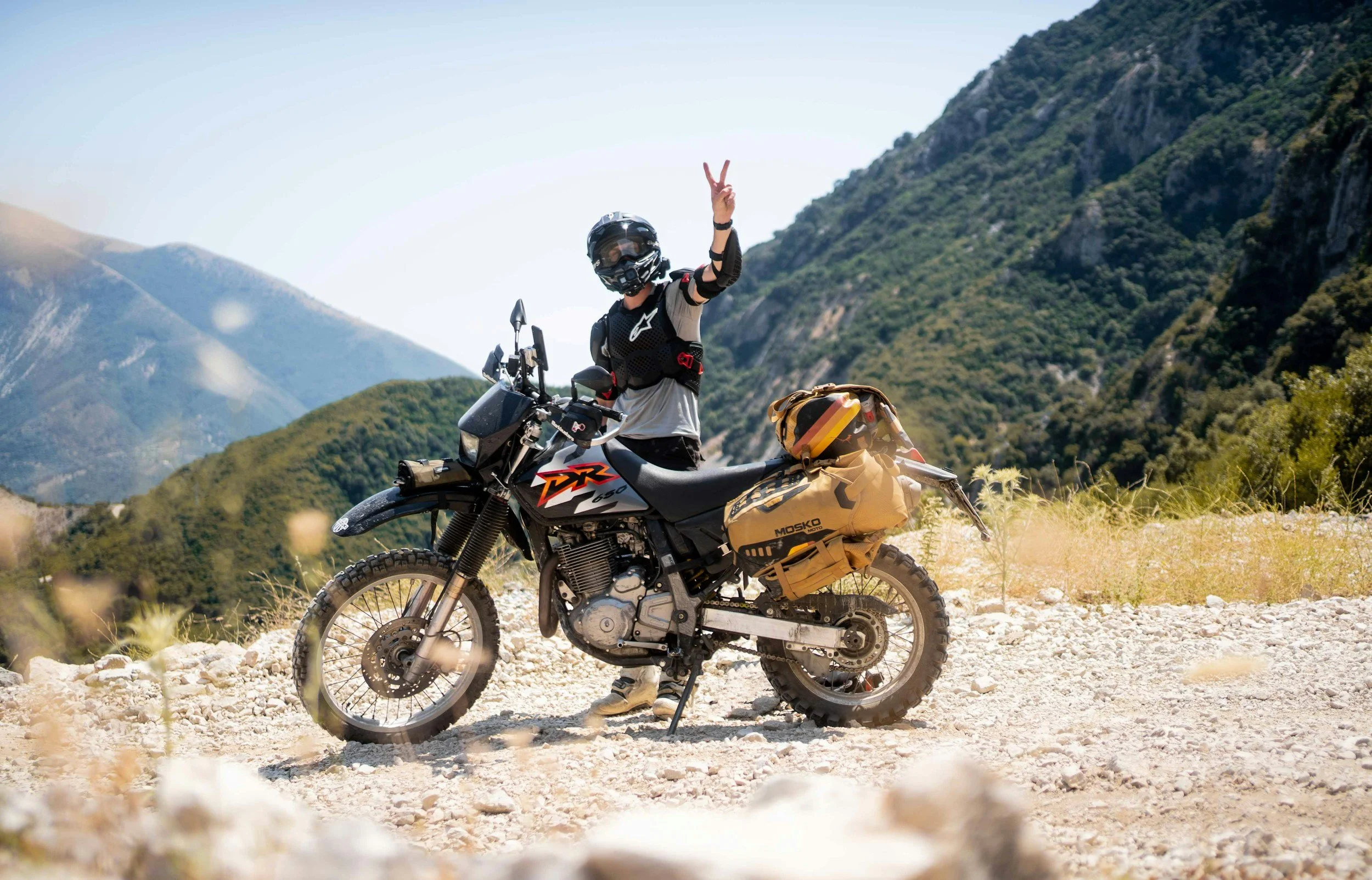
Mountain passes can have frost heaves and patched sections. Gravel roads — particularly in Kananaskis Country and along the Cowboy Trail — can be loose and unpredictable. A bike with long-travel suspension, designed to absorb the unexpected, turns these challenges into adventure.
A bike with sport suspension, designed for controlled track conditions, turns them into discomfort. Good suspension is about keeping you comfortable and confident across everything the road can throw at you — including the things that don't show up on Google Maps.
Real Fuel Range for Remote Country
Adventure motorcycles are built with range in mind.
The stretch between fuel stops in rural Alberta can be significant. Parts of the Icefields Parkway and the Cowboy Trail don't have gas stations every twenty kilometres.
Adventure motorcycles are built with range in mind. While large-capacity models like the Moto Guzzi V85 TT carry massive 23-litre tanks offering up to 500 kilometres of range, even middleweight options like the Yamaha Ténéré 700 (16L) and the BMW F 900 GS (14.5L) offer efficient fuel consumption that translates to a reliable 300+ kilometres of range.
Smaller sport bikes and cruisers often carry smaller tanks relative to their consumption, leaving you with range limit on a long day through remote terrain. On an ADV bike, you can ride confidently knowing you have the capacity to make it to the next outpost. And on Askiwa guided tours, we remove range limits entirely: our support vehicle travels with the group carrying extra fuel (along with luggage, medical supplies, and lunch), so you can focus on the ride even if your bike has a smaller tank.
Wind Protection Without Being Sealed Off
This is a subtle one, but it matters.
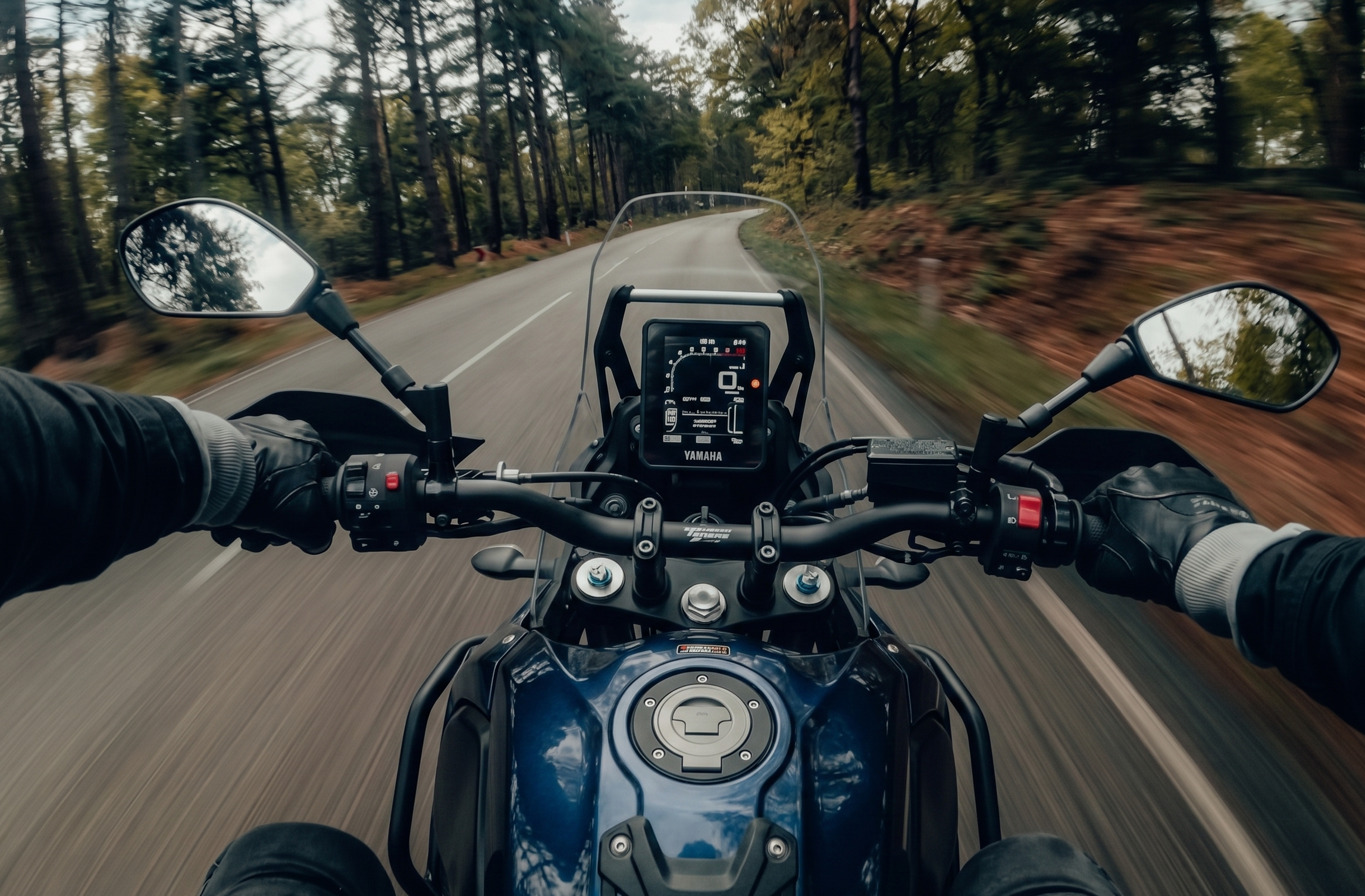
This is a subtle one, but it matters. Full touring bikes — the big fairings, the elaborate windscreens — are excellent at keeping weather completely away from the rider. But they also create a kind of sensory barrier. You're watching the mountains rather than being in them. Adventure bikes strike a balance. The stock windscreens and fairings offer real protection against wind and cold (and in the Rockies, even August mornings start cold), while still leaving enough air movement and openness that you remain connected to the environment. You feel the temperature drop as you climb elevation. You smell the rain before it arrives. You sense the landscape the way you're supposed to on a motorcycle.
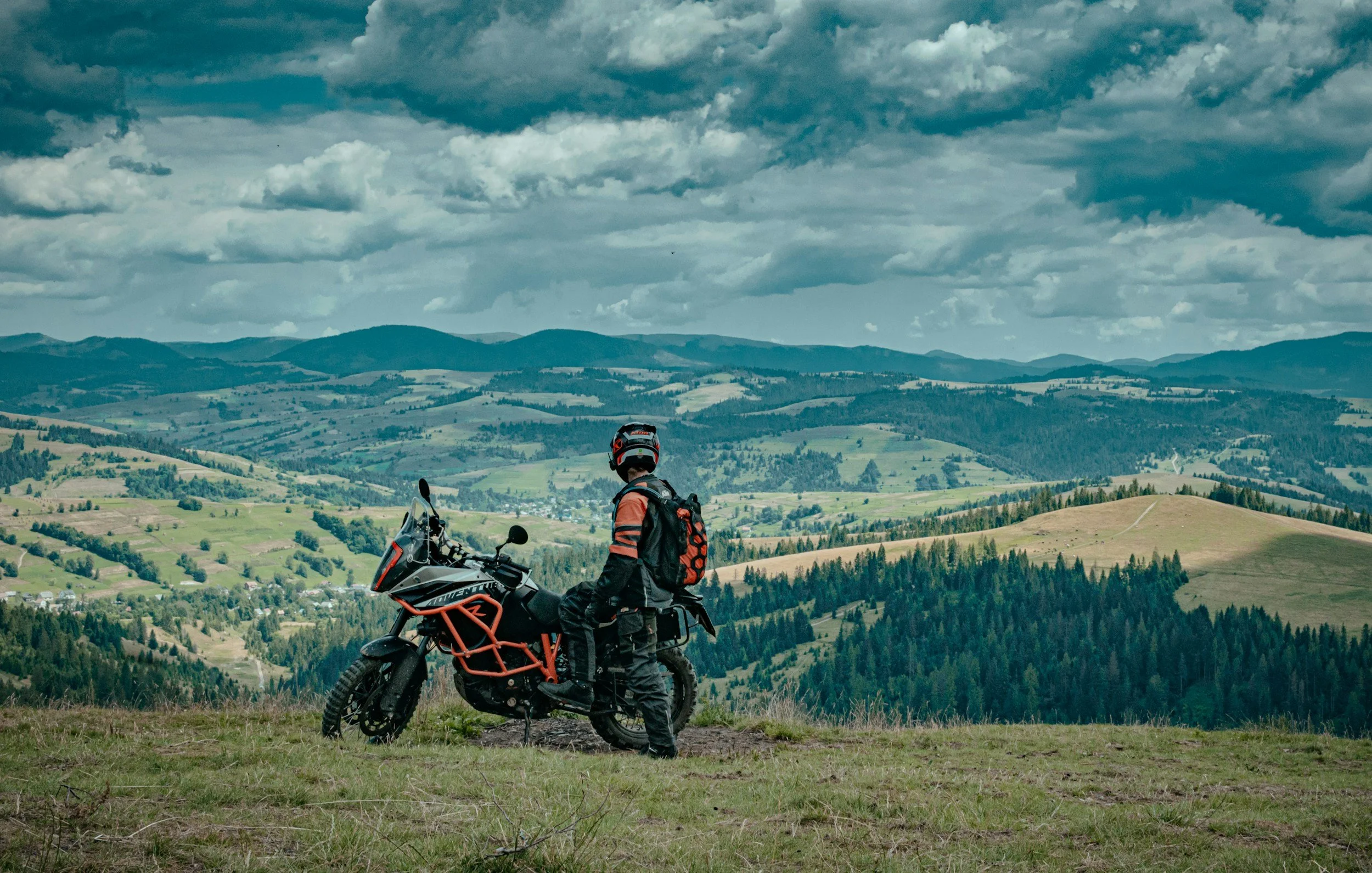
Confidence Comes Standard
When riders are on the right bike they ride better.
When riders are on the right bike — a bike that suits the terrain, that fits their body, that responds predictably — they ride better.
Depending on the model, adventure motorcycles come equipped with rider assists like switchable ABS, traction control, or selectable riding modes specifically calibrated for gravel, wet pavement, and off-road conditions. Whether you choose a highly analogue machine like the Ténéré 700 that gives you direct, tactile control, or a bike with a full suite of electronic aids, the geometry and engineering of these machines are built to handle variable surfaces.
On mountain roads with changing light, unexpected gravel patches, or sudden wet weather, that built-in stability offers a meaningful safety margin. This is particularly relevant in the Rockies, where afternoon thunderstorms can wet down a road that was bone-dry twenty minutes ago, and where mountain passes can have unexpected loose gravel even on paved surfaces.
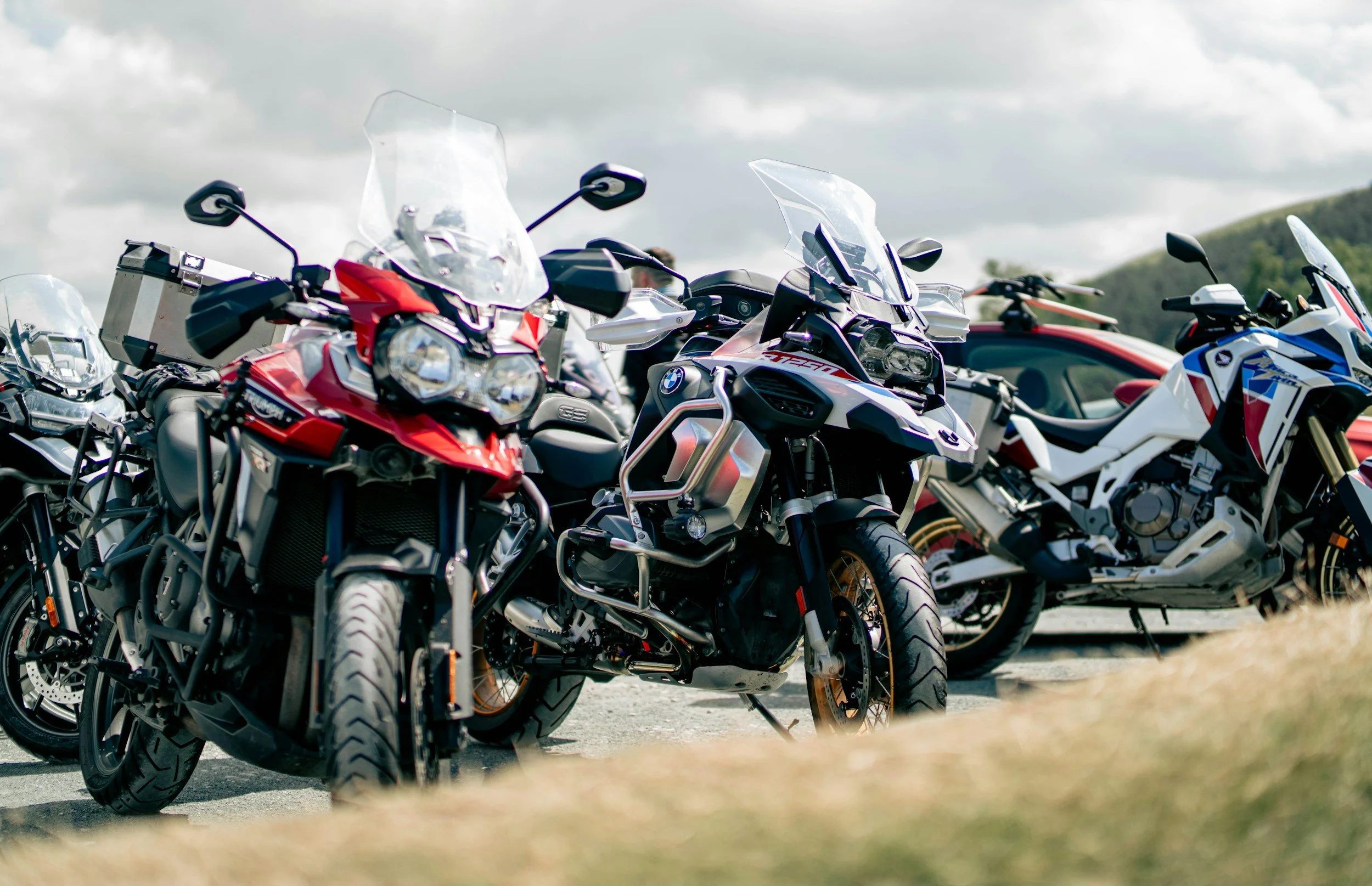
Why we choose ADV bikes?
At Askiwa, we've built our fleet around machines that we'd want to spend a week on ourselves.
At Askiwa, we've built our fleet around machines that we'd want to spend a week on ourselves. Not bikes chosen for marketing appeal or brand recognition, but bikes chosen because they do the job exceptionally well on the specific roads we ride every season. - BMW F 800 GS / 900 GS — The benchmark for a reason. Refined, capable, balanced power delivery, and well-proven suspension over everything from highway to gravel mountain passes. - Yamaha Ténéré 700 — Lighter and more flickable than the big GS bikes, with outstanding off-road credentials and a character that rewards engaged riders. - Honda Transalp — Accessible, confidence-inspiring, and smooth. The bike that makes experienced riders comfortable and newer tourers welcome. - Moto Guzzi V85 TT — The character bike of the fleet. Distinctive sound, distinctive feel, European touring soul in a package that handles the Rockies with ease. - Aprilia Tuareg 660 — The newest member of the family. Light, agile, and surprisingly capable on gravel for a bike that looks this good. Every one of them earns its place on the route.